
09 Sep 2025
Easy Plant Points Advice: What Are Plant Points And Why Your Gut Loves Them
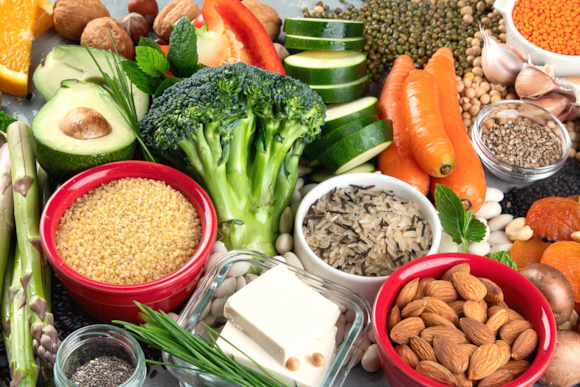
Plant points advice from Nutritionist, Jane McClenaghan. Here she talks us through how 30 plant points a week can help with your gut health, how to track them and what foods are best to hit your target.
You’ve heard of 5 a day, but did you know that eating 30 different plant foods every week could be the key to good health?
Plant points are a way of checking in on how much variety you are getting in your diet each week.
The aim is to score at least 30 different plants. Each food only counts once, even if you eat it several times a week, so you can’t consume 30 apples to hit the goal – variety is what counts here.
The idea is to get as many different plants, in all their forms, into your diet as possible. Fruit, vegetables, herbs and spices, pulses, wholegrains, nuts and seeds and other plant foods all count towards hitting your target. You may be pleased to hear that is that dark chocolate, good quality coffee and tea all count too.
Why Does Plant Diversity Matter for Gut Health?

The magic number of 30 a week originated from the American Gut Project (1), a citizen science project that discovered that those who ate 30 or more plant foods a week had a better abundance and diversity of beneficial bacteria in their gut microbiome.
The good bacteria in our gut microbiome thrive on a diet rich in nutrients, fibre and polyphenols, all of which we get from plants in our diets. Different plant foods contain different types of prebiotic compounds including fibre (soluble, insoluble and resistant starches), a variety of polyphenol nutrients and a range of different nutrients, so the more variety we have, the better on all counts.
How are plant points tracked?
Every different plant food that you eat in a week counts as one point. For example, if you have overnight oats with blueberries and Linwoods milled flaxseed, that is 3 plant points.
Remember that it’s variety you are aiming for, so if you have this breakfast every day, it will only add up to 3 points in a week, but if you choose different ingredients, you’ll hit a higher score – e.g. overnight oats with grated apple, ground cinnamon and Linwoods hemp seeds gives you and extra 3 because you’ve changed the fruit, added a spice and swapped up the seed.

Plant points go way beyond just eating more fruit and veg, and this is where things get interesting. You can count any plant food in your diet as one point. You might find a few surprises on the list.
What counts towards plant points:
Nuts and seeds
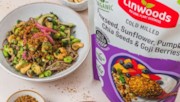
Flaxseed, Chia, Walnuts, Brazil nuts, hazelnuts, Sunflower Seeds, Poppy Seed. Hit a high score every week with Linwoods Milled Flaxseed, Sunflower, Pumpkin & Chia Seeds & Goji Berries to give you 5 plant points in one easy helping.
Beans and lentils
Chickpeas, red kidney beans, lentils (green, puy, red, …)
Herbs and spices
Get creative in your recipes and try some new flavours.
Fruit and vegetables
start having a look around the fruit and veg aisle and notice what is available. If you always buy broccoli, pop cauliflower or kale into your basket this week. If you always opt for red peppers, mix it up and go for yellow, green or orange. They all count as one plant point.

Miscellaneous
Tea and coffee, cacao and chocolate (but only if it is really dark, so choose a decent dark chocolate that has a minimum of 70% cocoa solids. It’s the cocoa that counts, so milk chocolate won’t cut it!) soya based foods like miso and tofu
How to track your 30 a week
- Make a note of each different plant you consume in a week.
- After 7 days, tally up your total and see if you have hit the goal of 30 different plants.
Remember, different colours or varieties of the same type of plant can be counted as individual points. The goal is variety! Each different colour, texture or flavour you add contributes a different set of nutrients to your diet to help your gut microbiome to flourish and thrive.
Tips for success:
- Eat a rainbow. Choose different colours or varieties of the same plant e.g. red onion, white onion, scallions = 3 points.
- Choose a fruit or veg you haven’t eaten for ages.
- Hit the spice rack and add some ginger, turmeric, chilli, cayenne, paprika, etc. – these all count as one point.
- Add more herbs to your recipes. Dried, frozen or fresh will count.
- Check out the frozen food aisle for frozen fruit, vegetables, herbs or try c
- auliflower rice
- Mix up your wholegrains. Oats, quinoa, brown rice, wholewheat, spelt, buckwheat. Try something new.
- Check out Linwoods range of seeds – an easy way to get 5 of your 30 points is to use Linwoods Milled Flaxseed, Sunflower, Pumpkin & Chia Seeds & Goji Berries.
- Choose mixed nuts, or swap your regular peanut butter to almond, cashew or hazelnut butter
- Try Linwoods hemp seeds as a tasty salad topper
- Add tinned pulses or lentils to your favourite one pot wonder meals to bulk them out and score yourself a few extra point
Do I need to be fully plant based?
Not at all. You can add more plant points to your diet, no matter what sort of diet you prefer. It doesn’t mean you have to switch to a vegetarian diet. The key thing is to start adding more plants and increasing your variety. The original research found that whether people were eating a vegetarian, vegan or omnivore diet, it was the variety that made the difference.
- McDonald D, Hyde E, Debelius JW, Morton JT, Gonzalez A, Ackermann G, et al. American Gut: an Open Platform for Citizen Science Microbiome Research. mSystems. 2018 Jun 26;3(3).
About the Author
Jane McClenaghan is Northern Ireland’s most recognised nutritionist with over 20 year’s experience. Her company Vital Nutrition specialises in developing and delivering group sessions for corporate and community clients both online and in-person as well as running an online membership club and offering one-to-one consultations.
Jane’s knowledge in the subject area of health and wellbeing is unrivalled as indicated by her qualifications, reputation and experience. Jane’s sessions cover a range of health and wellbeing topics from mental health to stress, female and male health, healthy eating on a budget, heart health, sleep, family wellbeing and much more.

________________________________________
Jane is also the author of two books on nutrition, she writes a weekly column in the Irish News, has a monthly slot on radio U105 and is a regular contributor to the BBC, The Belfast Telegraph and many other media outlets.
You can find out more and get in touch with Vital Nutrition here;
Contact Information
Clare O'Hagan
clare.ohagan@linwoods.co.uk
Notes to editors
I’d love to share an engaging new feature from leading nutritionist Jane McClenaghan, one of Northern Ireland’s most recognised experts in health and wellbeing, with over 20 years’ experience. In this article, Jane introduces the concept of “plant points”, explaining why aiming for 30 different plant foods a week can be a game-changer for gut health.
The piece highlights how increasing plant diversity in our diets helps support a thriving microbiome. Jane breaks down what counts as a plant point, how to track them, and offers simple, practical swaps to help readers reach their weekly goal.
To show just how easy and delicious it can be, we have included a vibrant recipe for an Edamame Avocado Soba Noodle Tahini Bowl, a colourful, gut-friendly dish packed with plant diversity.
This article not only makes the science accessible, but also empowers readers with simple tips and tasty recipes to boost their health through variety.
For additional information or details about Linwoods product range, feel free to reach out to:
Clare O'Hagan
📧clare.ohagan@linwoods.co.uk
About Linwoods Health Foods
Linwoods is one of Ireland’s leading health food brands, it aims to enhance the health and wellbeing of its customers through nutritiously dense, healthy foods using the finest quality plant based ingredients and sustainable production methods




Powered by Onclusive PR Manager © 2026